


Elevating Australia’s Net-Zero Future – The Power of Thermally Broken Double Glazed Windows
- Introduction
- The Whole of Home Energy «Budget»
- NSW’s Net-Zero Statement and BASIX Ratings
- A Step in the Right Direction
- The Global Benchmark and the Role of Thermally Broken Double Glazed Windows
- Understanding Thermally Broken Double Glazed Windows
- Economic Considerations and Long-Term Benefits
- Retrofitting Existing Homes
- The Path Forward – A National Retrofit Wave Strategy
- Conclusion
Introduction
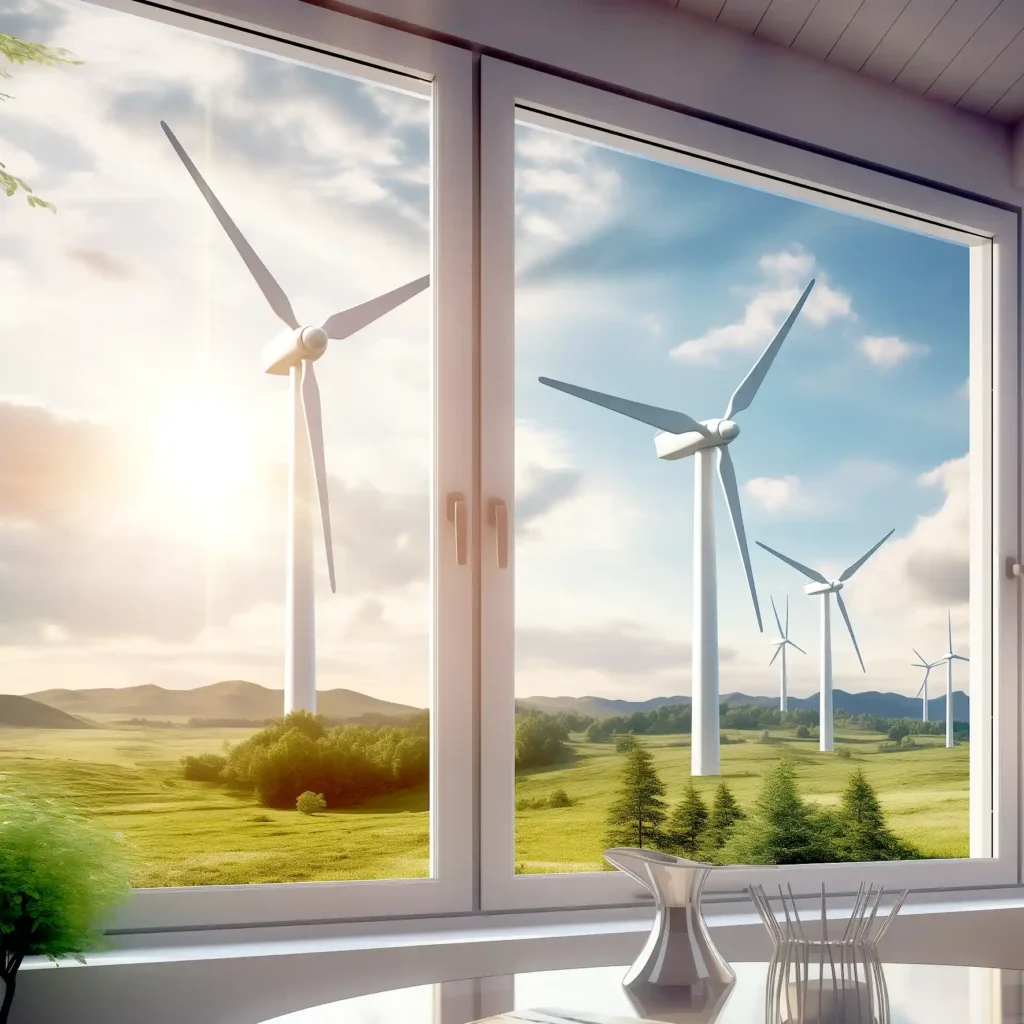
In a pivotal move towards a sustainable future, Australia is gearing up for a significant renovation wave to meet the ambitious net-zero emissions target by 2050. At the forefront of this transformation is the upgrading of energy-efficiency standards for new homes, marking the first substantial change in a decade. Under the Nationwide House Energy Rating Scheme (NatHERS), new homes will now be required to achieve a minimum performance of 7 stars, up from the previous 6 stars. This strategic enhancement was unanimously agreed upon by federal, state, and territory building ministers in a recent landmark decision.
The Whole of Home Energy «Budget»
The Australian Government is working with state and territory governments to improve home energy efficiency, reduce energy bills, make homes more comfortable to live in, and help reduce carbon emissions.
A ground-breaking aspect of the upgraded standards is the introduction of a whole of home energy «budget». This innovative approach allows homes to meet the new 7-star standard through various means, fostering adaptability and creativity in sustainable design. Enforced from May 2023, all new homes are mandated to comply with the upgraded standards since November 2023.
NSW’s Net-Zero Statement and BASIX Ratings
Building on this momentum, the New South Wales (NSW) government has raised the bar for large commercial developments and state projects. To gain planning approval, these projects must now submit a «net-zero statement,» demonstrating a commitment to being either all-electric or fully convertible to renewable energy by 2035. Simultaneously, new homes and renovations in NSW are required to achieve an impressive 7-star rating under the Building Sustainability Index (BASIX), up from the previous minimum of 6 stars.
A Step in the Right Direction
While these upgrades signal a positive shift in Australia’s commitment to sustainable building practices, there is more work to be done to future-proof homes across the nation. Buildings currently contribute to approximately 20% of Australia’s emissions, necessitating further improvements to the National Construction Code (NCC) before 2030 to meet climate targets.
-

Book Your Free Measurement Today
The Global Benchmark and the Role of Thermally Broken Double Glazed Windows
Internationally, places like the European Union and California have already embraced advanced energy efficiency standards. Australia, while making progress, remains behind the curve in design and construction. As we strive for a «zero carbon ready» building code by 2030, one critical component emerges — the adoption of best-in-class energy-efficient measures, including the use of thermally broken double glazed windows.
Understanding Thermally Broken Double Glazed Windows
In the realm of sustainable building design, thermally broken double glazed windows stand out as a key player. These windows offer enhanced insulation, effectively reducing heat transfer and contributing to a more energy-efficient home. The implementation of these windows aligns with the broader goal of achieving net-zero emissions by significantly improving the thermal performance of buildings.
Economic Considerations and Long-Term Benefits
A common argument against higher standards often revolves around the upfront cost of implementing energy-efficient measures. However, a closer look reveals that these initial investments pay off in the long run. With thermally broken double glazed windows, new houses are projected to use an average of 24.5% less energy to regulate temperature, translating to lower energy bills and increased resilience against price spikes. With electricity prices going on their current trajectory, these savings will only compound year on year.
Retrofitting Existing Homes
As we chart the course towards a sustainable future, it’s imperative not to overlook existing housing stock. With over 5.5 million houses predicted to be built between 2023 and 2050, there’s a pressing need to retrofit Australia’s 11 million existing homes. Thermally broken double glazed windows can play a pivotal role in these retrofitting efforts, providing improved performance, indoor comfort, and reduced energy consumption.
The Path Forward – A National Retrofit Wave Strategy
Looking ahead, Australian building ministers are poised to meet again in the coming year. The focus should shift towards ensuring that the 2025 and 2028 upgrades to the National Construction Code pave the way for a zero-carbon-ready building code by 2030. Simultaneously, governments should spearhead a national retrofit wave strategy, encompassing mandatory disclosure of home energy performance and a commitment to full electrification.
Conclusion
Australia stands at a crossroads in its journey towards a net-zero future. The recent upgrades in energy-efficiency standards and the push for sustainable building practices are commendable steps. To achieve a truly sustainable and resilient built environment, the integration of thermally broken double glazed windows is not just an option but a necessity. As we embrace a collective responsibility for our planet, the role of advanced building materials and designs cannot be overstated. Let us forge ahead, united in our commitment to creating homes that not only withstand the test of time but actively contribute to a healthier, greener future.